Ruler
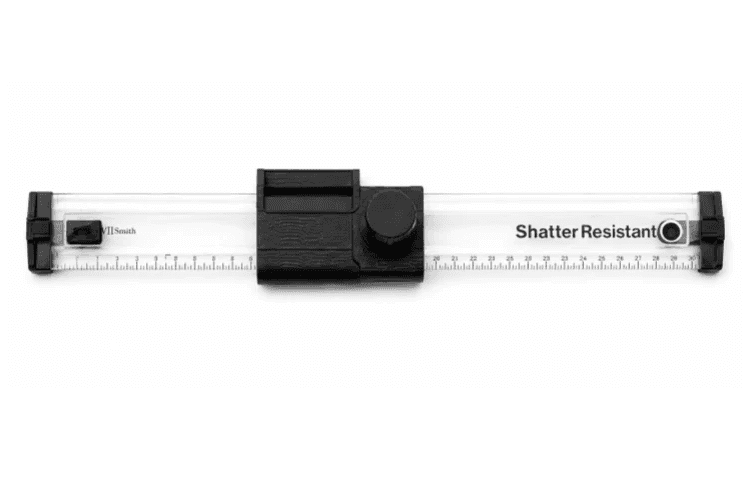
This project is a fully 3D-printable ruler and drawing aid designed to support neurodivergent children, particularly those with dyspraxia and dyslexia. Traditional rulers can be difficult to position accurately and hold steady, often making it challenging to draw straight lines or measure precise lengths. The aim of this design was to reduce these barriers and make technical drawing and classroom tasks more accessible. The ruler incorporates adjustable guiding components that help users align, measure, and draw straight lines with greater accuracy and confidence. By providing improved stability and clearer positioning, the design reduces the fine motor control demands often associated with conventional rulers, helping users achieve consistent results with less frustration. The project underwent extensive research, prototyping, testing, and iterative refinement to optimise usability, ergonomics, and functionality. Particular attention was given to ease of use, tactile interaction, and manufacturability. All components have been designed to be fully 3D printable, allowing the device to be produced affordably, customised to individual needs, and easily shared within educational and maker communities. The final outcome is an inclusive assistive design that promotes independence, improves measurement accuracy, and supports a more accessible learning experience for children who may otherwise struggle with conventional drawing and measuring tools.
Jul 5, 2026
Ruler
This project is a fully 3D-printable ruler and drawing aid designed to support neurodivergent children, particularly those with dyspraxia and dyslexia. Traditional rulers can be difficult to position accurately and hold steady, often making it challenging to draw straight lines or measure precise lengths. The aim of this design was to reduce these barriers and make technical drawing and classroom tasks more accessible. The ruler incorporates adjustable guiding components that help users align, measure, and draw straight lines with greater accuracy and confidence. By providing improved stability and clearer positioning, the design reduces the fine motor control demands often associated with conventional rulers, helping users achieve consistent results with less frustration. The project underwent extensive research, prototyping, testing, and iterative refinement to optimise usability, ergonomics, and functionality. Particular attention was given to ease of use, tactile interaction, and manufacturability. All components have been designed to be fully 3D printable, allowing the device to be produced affordably, customised to individual needs, and easily shared within educational and maker communities. The final outcome is an inclusive assistive design that promotes independence, improves measurement accuracy, and supports a more accessible learning experience for children who may otherwise struggle with conventional drawing and measuring tools.
Jul 5, 2026
Role
Designer
Service
Inclusive Design
Role
Designer
Service
Inclusive Design
Role
Designer
Service
Inclusive Design
Development

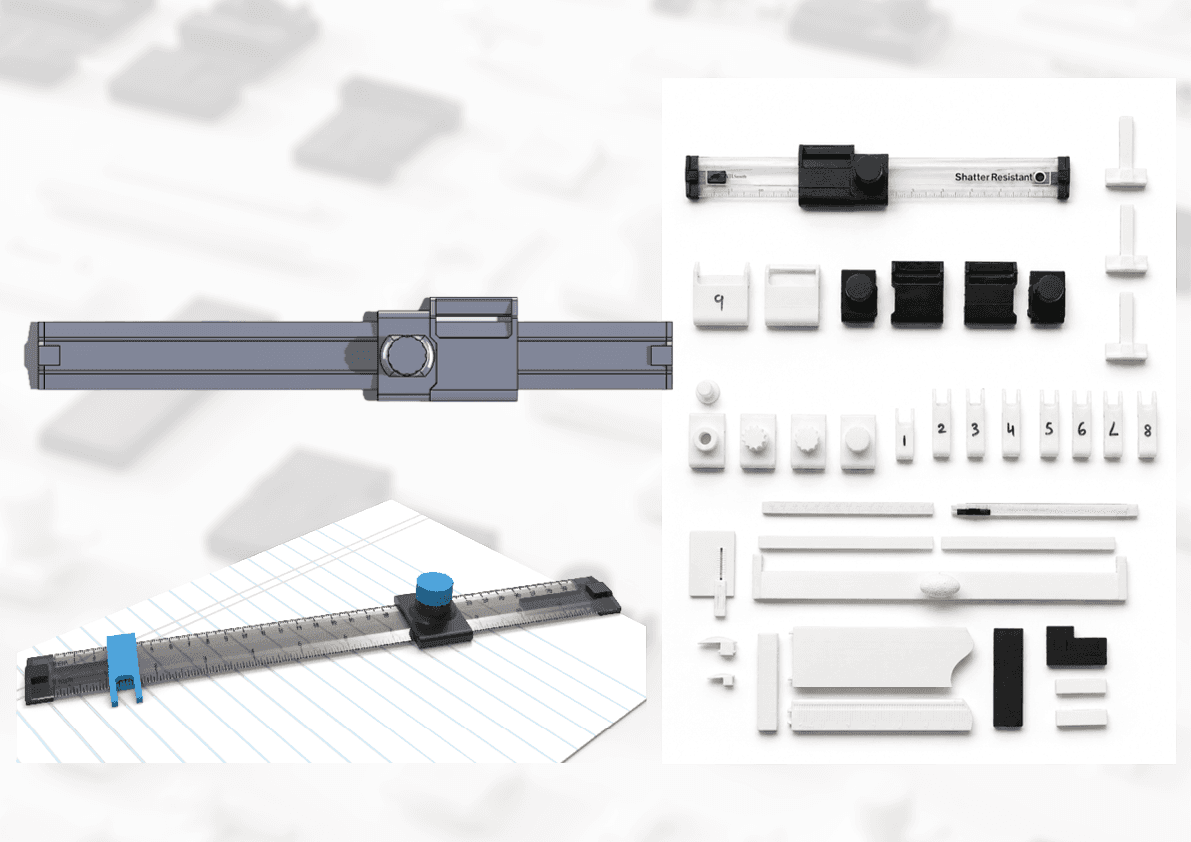
Reaching this final design required countless iterations, refinements, and development stages. The components are available for others to download, modify, and improve. I look forward to seeing how other designers reinterpret and evolve the concept.